Need further support?
Learning bottom wiping: a step-by-step guide
Bottom wiping is an essential part of toilet training. Here’s how we can help children to learn.

Learning to wipe your own bottom is an essential part of using the potty or toilet independently.
For some children, not being able to wipe independently prevents them from feeling able to use the toilet when away from their parents/carers. This can lead to stool withholding, which can begin the vicious circle of constipation.
Many of these children also feel unable to use the toilet for a wee, for fear of a poo popping out, resulting in wee withholding.
For some, bottom wiping is an easily achieved skill. For others, it’s more of a struggle.
The ability to wipe your bottom depends on many things including limb length, flexibility, manual dexterity, balance, muscle tone, suitable facilities, motivation and support. But with the right help, nearly all children can manage it.
Try this test: can your child touch their opposite ear over the top of their head? A similar bend is needed to reach their bottom, so if they can do this, they should be able to wipe!
Bottom wiping can be more of a challenge if the child:
- Has little awareness of how their body works.
- Does not see a need to learn the skill.
- Struggles to adopt routines.
- Is unwilling to do anything without assistance.
- Has sensory issues – for instance a fear of touching poo.
For many, bottom wiping is a pattern that needs to be learned. Once learned, it becomes a process we can do without thinking. Next time you wipe your own bottom, be aware of the pattern you use, and think of all the steps your child will need to learn.
Step 1: How to prepare
- Start by learning at home, where the environment is familiar.
- Make sure your child is able to sit securely on the toilet. They should be able to sit with their feet flat and firmly supported, with their knees higher than their hips – they may need a children’s toilet seat and a step stool to achieve this. If they have mobility or balance problems, they may need to be referred to an OT (Occupational Therapist) for an adapted toilet seat.
- Is your child going to sit or stand to wipe? Either is fine but pick one and stick to it. If your child finds it hard to balance sitting on the toilet, they may be better standing, holding on with one hand or bracing against the toilet.
- Make sure the toilet roll is within easy reach and stored on a toilet roll holder. Your child may find wet wipes easier to manage, as they cling to the hand and clean more effectively. Put a bin beside the toilet ready for used wipes.
Step 2: How to practice with toilet paper
Are you a folder, a scruncher or a roller?
There is no right or wrong way to use toilet paper, but it does need to cover the hand. Be aware that your child will copy you. If you’re starting from scratch with them, folding is probably the best way for them to cover their hand.
It can be hard for the child to know how much toilet paper to tear off – too little and they risk getting poo on their hand; too much and they block the toilet.
Suggest tearing off a strip the length of the child’s arm. Get them to fold it in half, then fold again. Use it to cover the hand, and pinch with the thumb to hold in place.
Tearing off the paper can be difficult – our two hands need to do different things: one has to hold and the other has to tear. Lots of practice will help them.
Step-by-step practice
Follow these steps to help your child practice their bottom wiping skills:
- Help them work out which hand to use. If hand dominance (that is, whether they are right- or left-handed) isn’t clear yet, put paper and a pencil in front of them and see which hand they pick the pencil up with. You might need to try it a few times to be sure! Once you know whether they are right- or left-handed, offer lots of one-handed activities to develop their one-handed skills (dexterity). For example, try singing ‘I’m a little teapot’ and doing the actions, making sure they use their dominant hand to make the handle. It’s an ideal way to practice the inward rotation we use to reach our bottoms.
- Help your child to understand why they need to learn to wipe their bottom. You could talk about sore bottoms, possibility of infections, being smelly etc.
- Try sticking post-it notes or sticky labels on the child’s clothes over their bottom. Encourage them to reach round and remove them. This will help them learn where they are going to wipe. Draw a little animal or picture on the post-it note – good motivation for the child to grab it, to see what you’ve drawn.
- Teach the action of wiping using shaving foam! Spray shaving foam on a surface in front of them. Make a pad of toilet paper and encourage the child to wipe it up in one big scoop (otherwise some children may spread the foam out - and later the poo). Through this exercise, they will see what they will be doing when they wipe.
- Tape two balloons together to create buttocks. Put shaving foam between the balloons and help the child learn to wipe it away. Start off with the balloons where they can see them, then tie them onto the back of the child’s chair, or hold them behind the child. It’s messy – but much better to make a mess with shaving foam now, than with poo later…
- Put some shaving foam on the child’s bottom before they get in the bath or shower. Give them a pad of toilet paper, instructing them to do one big scoop at a time to clean it off. Make sure they always wipe front to back.
Step 3: How to move on to bottom wiping
Once your child has practised, move onto wiping their bottom.
Guide your child’s hand so they learn the correct movements. They will soon be relying on muscle memory (muscle memory is a process that allows you to remember certain motor skills and perform them without conscious effort. This happens when you repeat movements until the brain remembers them and does them automatically) so make sure they learn the right way from you first.
- Use the technique called ‘backwards chaining’. This means breaking the task down into steps, then teaching the whole task by starting with the last step and working your way backwards to the first.
- Use a hand-over-hand technique – ask them to place their hand over yours when you wipe, so they get used to the feeling.
- Swap round for the last wipe – your child holding the paper, with your hand cupped around theirs to guide them. Bring your hand round where they can see it, so you can check together if the paper is clean.
- Progress to your child holding the paper for the last two wipes, then three – until they are holding the paper from the start.
- When they are ready, reduce to just a light touch, then stop guiding their hand, and see if they can manage just with verbal prompts.
- Gradually reduce your prompts as they learn to manage by themselves.
Effective wiping
Teach your child to continue wiping until the paper is clean. Think: check, chuck, clean?
- Check the paper after wiping
- Chuck it in the toilet, or wipes into the bin
- Think – was it clean? If not, wipe again.
Always give lots of praise to help build the child’s confidence. Always wash your hands together when you have both finished.
Hints and tips if they’re struggling
If there are marks in their pants when they are wiping independently, try not to make a fuss. Suggest an extra wipe next time – or try using wet wipes.
If your child finds it difficult to balance on the toilet, check their seating is secure, then play games retrieving sticky labels stuck on their elbows, back, knees and feet. They may benefit from a grab rail or handles on the toilet seat.
If they struggle to reach around their body, start by encouraging flexibility and reach. Give them a ball and encourage them to roll it around their waist, round their back and to the other side of their body.
If your child finds it hard to remember the routine, use visual cues for the key steps – maybe prompting them to tear the paper off with two hands, maybe checking the paper is clean etc.
Some children are reluctant to put their hands anywhere near poo. Make sure you always talk positively about poo. Have a look at our resource Supporting children to feel more comfortable around poo. Avoid offering disposable gloves – if one day they are not available, the child may be put off pooing without them and could start to withhold.
Look at our resource sensory needs and toileting– involve your child in sensory play.
Choose activities which encourage them to touch different textures:
- Playdough – you could even colour it brown! Look online for recipes – it can be warmed in the microwave.
- Potting up seeds using potting compost or soil.
- Playing in a sand pit.
- Cooking.
- Cleaning out an animal cage.
- Dissecting owl pellets.
If your child continues to struggle despite learning one step at a time, ask for a referral to an OT. Some children’s disabilities make wiping particularly difficult; they may benefit from a wash-and-dry toilet.
Remember to be endlessly encouraging and positive!
Last Reviewed: June 2024
Next Review: June 2027
More information
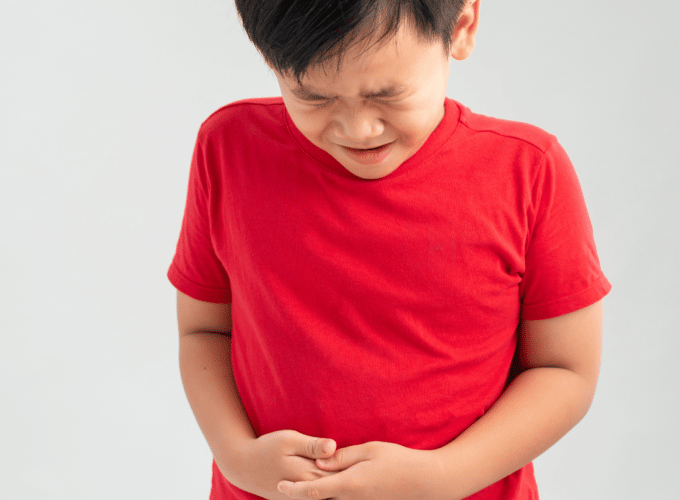
Constipation is a problem for 1 in 3 children. Find out symptoms, causes and relief.
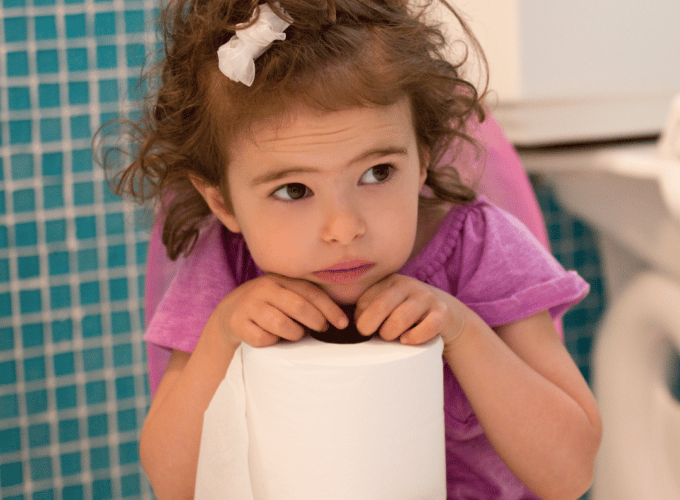
Find out more about why some children withhold wee and how you can help break the cycle.

Find out how to prepare your child to use the toilet independently at school.
On this page...
Upcoming events
Share this page