Children's bowel health - what's normal and what can go wrong.
It’s really important to understand how the bowel works, what healthy poo should look like, and how to promote a healthy bowel. If we look after our children’s bowels, we are also looking after their bladders, because an unhealthy bowel can have a big impact on the bladder. As you will see from , a healthy bladder is essential for looking after our kidneys, so promoting both bladder and bowel health is vital for our children’s general health and wellbeing.
Bowels often misbehave in childhood, but it can be difficult to talk about poo problems, especially if we are not sure what is normal.
Read our advice sheets Advice for children with constipation, Advice for children with daytime bladder problems, Advice for children with night time wetting, Advice about children’s bladders and bowels – from birth, to potty training, to school and Advice about bladders, bowels and toileting for children with additional needs for more information, including downloadable PDFs of the advice sheets.
Resources
- All
- At school
- Factsheets
- For Parents
- Fun Stuff
- Kid's stuff
- Potty Training
- Videos
Further help and information
If you are concerned about your child's bowel problems, book an appointment to see your G.P.

Constipation
How to spot constipation symptoms in children, understand the causes and how to relieve the symptoms of constipation.
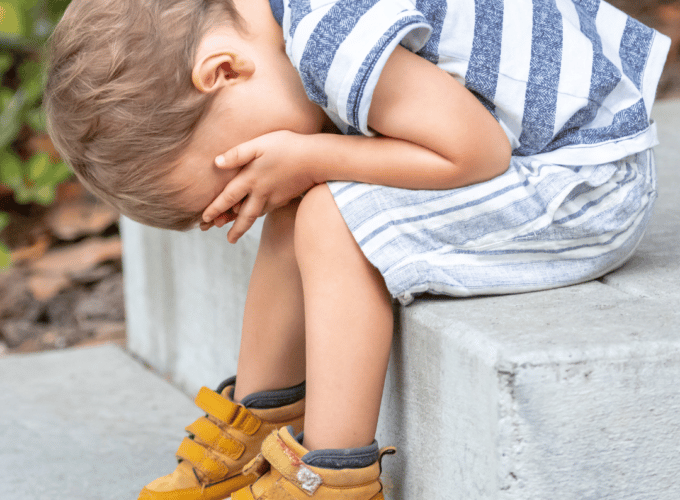
Stool withholding
Learn how poo withholding can affect your child and what you can do to help them to feel more positive about going to the loo.

Constipation and autism
Children with autism or a learning disability are more likely to have tummy problems and become constipated. Find out why and get tips to help.
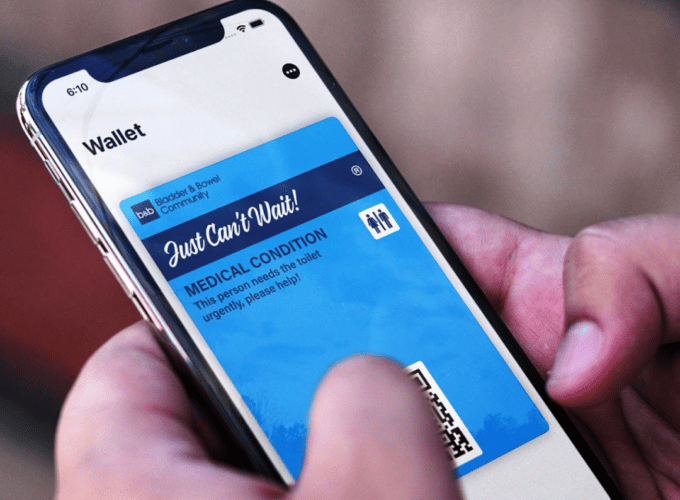
Just can't wait card
Download a free toilet pass from Bladder & Bowel Community to help your child access toilets discreetly.
Upcoming events
Share this page